Short, audio-driven walking simulator that stages found-footage dread
Dont Play This by a1esska is a psychological horror simulation that casts the player as the recipient of mysterious videotapes showing strangers' final moments. The game functions as a first-person walking simulator where players explore recorded scenes, trigger scripted sequences, and relive five short, self-contained deaths. Realistic visuals, varied locations, and high-quality 3D audio shape the mood. The title targets indie horror fans and walking-simulator players who prefer compact, atmosphere-first experiences.
What kind of game is Dont Play This?
In this game, you occupy a first-person perspective and consume found-footage recordings sent by a friend, a framing device that drives the core loop. Players watch short video tapes, explore the environment tied to each recording, and experience the events that led to each on-screen death. The structure is an anthology of five distinct short stories, arranged as a series of scripted, linear vignettes rather than branching scenarios. The premise is intentionally meta-fictional, inviting curiosity about forbidden content.
Does it offer modes beyond solo exploration?
Inside the build, the experience is single-player and focused on exploration rather than competitive or cooperative play. The game is distributed as a standalone Windows executable and presents a compact runtime, roughly 1 to 1.5 hours for the full release, with a shorter demo around 15 minutes. Interaction relies on walking, observation, and event triggers; the title uses scripted jump scares and audio cues as primary engagement mechanics.
What does the game look and sound like?
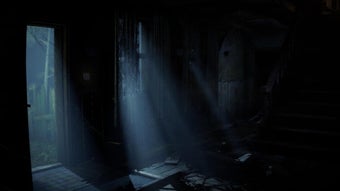
In this experience, visual design favors realism to heighten unease, with deliberately varied locations and visual styles across recordings. Sound plays a central role: the project uses high-quality 3D audio and layered soundscapes to suggest presence and stalking. The found-footage presentation pairs on-screen video with off-screen spatial audio, so directional cues often signal threats before visuals confirm them. Audio design is the primary tool for tension.
Is it hard to get started and what keeps players returning?
When starting, onboarding is minimal and mechanics remain deliberately simple, a point noted by community feedback that calls the controls typical of walking simulators. Replayability comes from the anthology format and varied scenes; players can revisit recordings to catch missed details. The short total length makes it suitable for single-session play, while the reliance on scripted moments and a linear structure limits long-term emergent replay value compared with sandbox exploration titles.
Concise recommendation for fans of short, atmospheric horror
Dont Play This is a focused choice for players who enjoy short, audio-led walking simulators and found-footage framing, offering a compact anthology experience. Its limited interaction model and linear structure suit those who prioritize atmosphere over mechanical depth. Players seeking longer campaigns or branching systems may find the design restrictive, but the game delivers a tight, audio-centric fright package worth trying for indie horror fans.